? Quick Tips from Prof. Dr. Göçer
- Limb-sparing surgery is a surgical approach aimed at removing bone or soft tissue tumors without amputating the limb and preserving the function of the arm or leg.
- Today, this approach can be safely applied in more than 90% of cases of extremity bone sarcomas without amputation.
- The local tumor control rate is reported to be over 90% following resection with wide surgical margins.
- The cavity created after tumor removal is repaired using a mega prosthesis, bone graft, or other methods; the process is typically carried out in conjunction with chemotherapy.
Decades ago, the primary treatment for a bone tumor often involved limb loss, but today, advances in medicine have fundamentally changed this situation. Limb-sparing surgery is a modern surgical approach that aims to remove the tumor within safe margins while preserving the arm or leg itself and its function.
What Is Limb-Sparing Surgery?
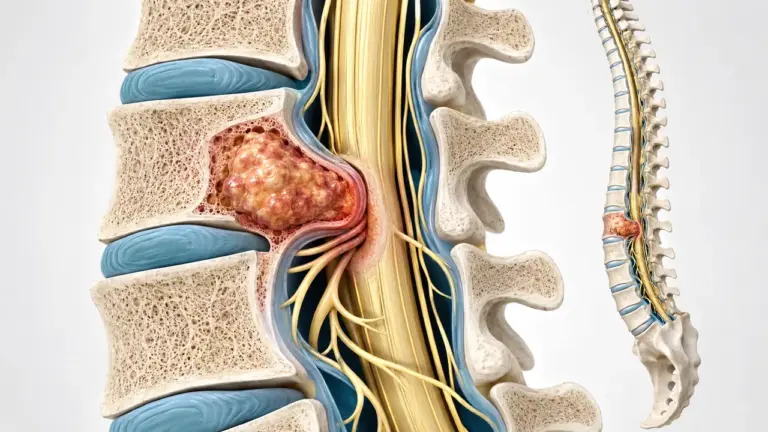
Limb-sparing surgery is a surgical method that aims to prevent the amputation of a limb (arm or leg) by removing a bone or soft tissue tumor, along with the surrounding healthy tissue, within safe margins. In the English-language literature, it is referred to as “limb salvage / limb-sparing surgery.” The procedure consists of two main stages: removal of the tumor (resection) and repair of the resulting defect (reconstruction).
The goal of this approach is to preserve the limb’s function as much as possible while completely removing the tumor. Local tumor control rates exceeding 90% have been reported for resections performed with wide surgical margins; today, limb preservation is possible in more than 90% of cases of extremity bone sarcomas.
According to Prof. Dr. Hasan Göçer, the fundamental principle of limb-sparing surgery is unwavering: preserving the limb should never come at the expense of incomplete tumor removal. The priority is always to safely control the disease; limb preservation is pursued only as long as this safety is ensured.
What Does Limb-Sparing Surgery Do?
Limb-sparing surgery repairs the bone and tissue defect left behind after tumor removal using various methods. The choice of repair method depends on the tumor’s location, size, the patient’s age, and bone structure.
| Repair Method | How Does It Work? | Common Applications |
|---|---|---|
| Mega Prosthesis (tumor prosthesis) | The removed bone and joint are replaced with a metal implant | In cases of large bone and joint defects; allows for early mobilization |
| Bone graft (autograft/allograft) | The defect is filled with the patient’s own bone or donor bone | In defects of appropriate size that can preserve the joint |
| Extendable endoprosthesis | A special prosthesis that can be lengthened as the child grows | For children in their growth phase |
These methods can be used alone or in combination. The goal is to safely remove the tumor while preserving the patient’s limb and function as much as possible.
Who Is a Candidate for Limb-Sparing Surgery?
- Patients in whom the tumor can be safely removed with clear margins
- Cases where major blood vessels and nerves can be preserved
- Patients expected to regain functional use of the limb following reconstruction
- Patients who respond appropriately to chemotherapy (when necessary)
Prof. Dr. Göçer emphasizes that the decision to perform limb-sparing surgery is never made in isolation in clinical practice; a joint assessment by a team working in collaboration with oncology, radiology, and pathology is decisive for both disease control and limb preservation.
Prof. Dr. Hasan Göçer’s Clinical Assessment
“In my clinical practice, I view limb-sparing surgery as one of the most significant achievements of modern orthopedic oncology. Being able to offer a patient both the chance to be cured of their disease and to preserve their limb is the most valuable aspect of working in this field. However, I never forget that our priority is the patient’s life; limb preservation only comes into consideration once the tumor can be safely removed. This balance is established on a case-by-case basis for each patient, as a team.”
Prof. Dr. Hasan Göçer — Specialist in Orthopedics and Traumatology
The practical significance of this assessment is that limb-sparing surgery is not a “single procedure” but a treatment philosophy. When proper patient selection, safe surgical margins, and an appropriate repair method come together, both the disease is brought under control and the limb is preserved.
From Diagnosis to Recovery: How Does the Process Proceed?
| Stage | Time | What Happens? |
|---|---|---|
| Diagnosis & Staging | First Few Days | Tumor type and spread are determined through imaging and biopsy |
| Multidisciplinary Team Evaluation | Week 1–2 Weeks | Surgical suitability is assessed in collaboration with oncology, radiology, and pathology |
| Oncological Treatment | Pre-surgical | The tumor is brought under control with chemotherapy, if necessary |
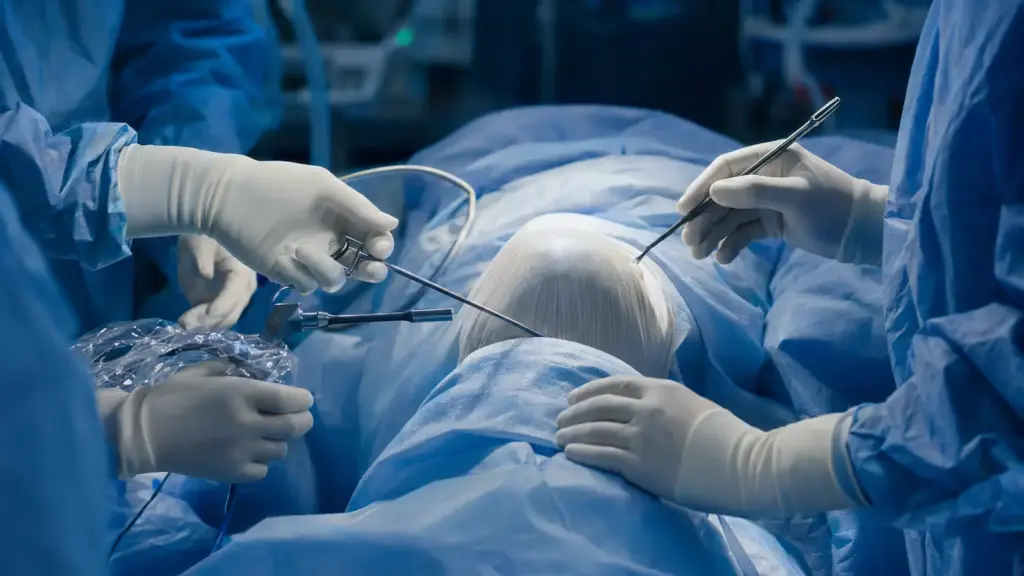
| Surgery | On the scheduled day | The tumor is removed with wide margins; reconstruction is performed using the appropriate method |
| Recovery & Follow-up | Weeks–years | Physical therapy, return to function, and regular oncological/orthopedic follow-up visits |
Diagnosis and Team Evaluation: Once the tumor type and extent of spread have been determined, surgical eligibility is evaluated by a multidisciplinary team. This stage is a critical step in determining whether the limb can be preserved.
Oncological Treatment and Surgery: For malignant tumors, surgery is usually performed in conjunction with chemotherapy. During surgery, the tumor is removed with safe margins and the area is reconstructed using an appropriate technique.
Recovery and Follow-Up: Physical therapy is used to restore function. Regular follow-up visits continue for many years to monitor both for tumor recurrence and the status of the repair.
Frequently Asked Questions
Note: The Excel file did not include a separate FAQ list for this topic; the questions below were prepared based on the most frequently asked topics related to this subject.
Can limb-sparing surgery be performed on every tumor patient?
Limb-sparing surgery can be performed in more than 90% of cases of extremity bone sarcomas today; however, eligibility depends on factors such as the tumor’s location, size, and its relationship to major blood vessels and nerves. In some cases, limb preservation may not be safe. The decision is made on a case-by-case basis by a multidisciplinary team.
Can the patient use the limb normally after limb-sparing surgery?
Limb function varies depending on the tumor’s location, the amount of tissue removed, and the repair method used. With physical therapy, most patients can return to their daily lives to a significant extent; however, there may be some limitations regarding strenuous and demanding activities. The expected level of function will be explained by the team evaluating you.
What is the difference between limb-sparing surgery and amputation?
In limb-sparing surgery, the tumor is removed without cutting off the limb, and the resulting cavity is repaired; in amputation, however, a portion of the limb is removed. Thanks to recent advances, the limb can be preserved in the majority of patients; however, in some cases, amputation may be more appropriate for safety reasons. The medical team decides together which option is appropriate.
Does the tumor recur after limb-sparing surgery?
When the tumor is removed with safe margins, the local control rate is high (reported to be over 90% with wide resection); however, as with any tumor treatment, the risk of recurrence is not completely eliminated. For this reason, regular follow-up visits after surgery are very important for the early detection of recurrence.
Conclusion
In this article, we discussed what limb-sparing surgery is, which reconstruction methods it employs, and how the treatment process proceeds. This approach is a modern, multidisciplinary treatment philosophy that enables both disease control and limb preservation in bone and soft tissue tumors.
You can begin the consultation process to evaluate your specific situation regarding limb-sparing surgery. Prof. Dr. Hasan Göçer evaluates each patient’s clinical presentation individually to determine the most appropriate treatment options.
References
- Guideline for Limb-Salvage Treatment of Osteosarcoma. Orthopaedic Surgery / NIH PMC, 2020 — https://pmc.ncbi.nlm.nih.gov/articles/PMC7454155/
- Limb salvage in oncological reconstructions of the lower limb using a megaprosthesis. Archives of Orthopaedic and Trauma Surgery / NIH PMC — https://www.ncbi.nlm.nih.gov/pmc/articles/PMC9925554/
- Overview of Limb Salvage Surgery for Bone Tumors. BoneTumor.org (Musculoskeletal Tumor Society source) — http://www.bonetumor.org/overview-limb-salvage-surgery-limb-sparing-surgery-bone-tumors