? Quick Tips from Prof. Dr. Göçer
- Hip fracture is a serious injury commonly seen in individuals over 60 years of age, often resulting from falls and osteoporosis; approximately 1.6 million hip fractures occur worldwide each year.
- Most cases require surgical treatment; guidelines recommend that surgery be performed within the first 24–48 hours in appropriate patients.
- In elderly patients who undergo surgery within 48 hours, the risk of death within 12 months was found to be 20% lower (Klein et al., meta-analysis, 2018).
- Early surgery and physical therapy starting the next day reduce complications and accelerate the return to walking.
Even a simple fall in older adults can result in a fracture of the femur near the hip, suddenly rendering the person bedridden. A hip fracture is a serious injury that is particularly common in older adults with osteoporosis and requires prompt and proper treatment.
How Does a Hip Fracture Occur?
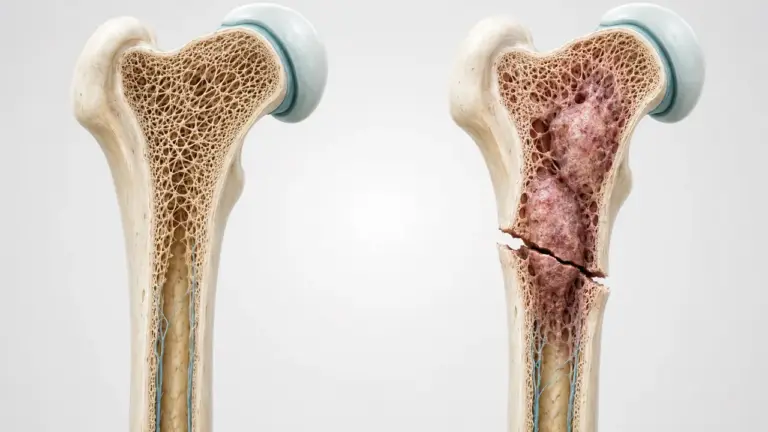
A hip fracture is a fracture of the upper portion of the thigh bone (femur) near the hip joint. In older adults, the most common cause is osteoporosis a hip fracture resulting from a fall; because the bone is weakened, even a low-energy fall can lead to a fracture. In younger individuals, however, hip fractures are usually caused by high-energy trauma, such as a traffic accident or a fall from a height.
Hip fractures are primarily classified as femoral neck fractures and trochanteric (just below the femoral neck) fractures, depending on the location of the fracture. This classification directly determines the treatment method to be applied.
According to Prof. Dr. Hasan Göçer, a hip fracture in elderly patients is often the first clear sign of underlying osteoporosis; therefore, in addition to treating the fracture, bone health must also be assessed to prevent re-fracture.
How Is a Hip Fracture Diagnosed?
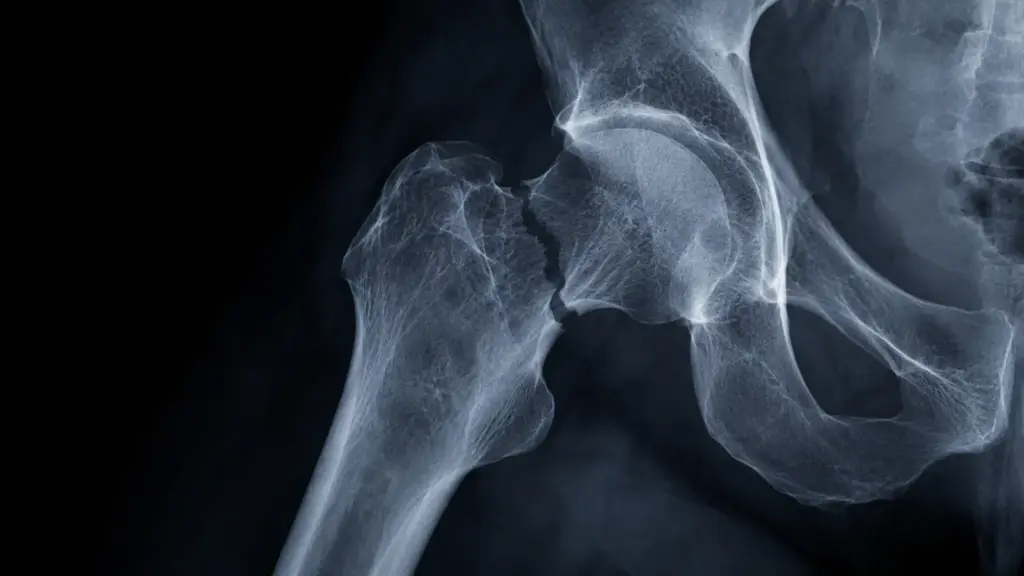
The symptoms of a hip fracture usually appear suddenly after a fall and are not difficult to recognize. How to Recognize a Hip Fracture becomes clear once you know the basic signs; a definitive diagnosis is made via X-ray.
- Severe pain in the groin and hip
- Inability to bear weight on the leg or walk
- Shortening and outward rotation of the leg on the side of the fracture
- Increased pain when trying to move the hip
- Swelling or bruising in the hip area
In some patients, particularly those with avulsion (non-displaced) fractures, the individual may be able to stand to some extent; this can lead to a delayed diagnosis. For this reason, it is recommended that every elderly patient with persistent hip pain following a fall undergo an X-ray evaluation.
Hip Fracture Treatment
Hip fracture treatment is surgical in the vast majority of patients. A non-surgical (bed rest) approach is considered only in selected patients who are not suitable for surgery due to serious complications (blood clots, lung infections, pressure sores), so it is considered only for selected patients who are not suitable for surgery. Hip fracture prosthesis or fracture fixation is selected based on the type of fracture.
| Fracture Type | Common Treatment Method | Goal |
|---|---|---|
| Femoral neck fracture (elderly) | Partial or total hip replacement | To replace the compromised femoral head and enable early ambulation |
| Trochanteric fracture | Fixation with a nail and screws (nailing) | To stabilize the fracture and promote bone healing |
| Neck fracture in a young patient | Fixation with screws | To preserve the patient’s own femoral head |
Prof. Dr. Göçer emphasizes that, in his clinical practice, performing surgery as soon as possible is critical for both life expectancy and the ability to walk again in elderly patients. Scientific data also support this approach: elderly patients who underwent surgery within 48 hours were found to have a 20% lower 12-month mortality risk (2018 meta-analysis).
Hip Fracture Surgery
Hip fracture surgery involves either stabilizing the fracture with screws or pins, or replacing the damaged joint with a prosthesis, depending on the type of fracture. The primary goal after surgery is for the patient to get back on their feet and become mobile as soon as possible; as prolonged bed rest carries risks in and of itself.
Walking after hip fracture nailing surgery typically begins early on, in a controlled manner, under the supervision of a physical therapist for most patients. The amount of weight-bearing is determined by the physician based on the type of fracture and the stability of the fixation.
Clinical Assessment by Prof. Dr. Hasan Göçer
“In my clinical practice, I evaluate a hip fracture in an elderly patient not merely as a bone problem, but as a comprehensive health issue. Preparing the patient for surgery as soon as possible and getting them back on their feet the next day; is the most effective way to prevent complications associated with immobility, such as blood clots, lung infections, and pressure ulcers. In these patients, time literally saves lives.”
Prof. Dr. Hasan Göçer — Specialist in Orthopedics and Traumatology
The practical importance of this assessment is that “waiting” is not harmless in hip fractures. Delaying surgery increases the risk of complications and death, especially in older patients. Therefore, early surgery in appropriate patients is the cornerstone of current treatment approaches.
From Diagnosis to Recovery: How Does the Process Proceed?
| Stage | Time | What Happens? |
|---|---|---|
| Initial Evaluation | First few hours | Physical examination, hip X-ray; fracture type is determined via CT/MRI if necessary |
| Preparation for Surgery | First 24–48 hours | General health and anesthesia evaluation; early surgery is planned for suitable patients |
| Surgery | Scheduled day | Pin-and-screw fixation or hip replacement is performed depending on the fracture type |
| Hospital Stay | Days 2–5 | Getting out of bed with physical therapy the next day, pain management, and blood clot prevention |
| Recovery | Weeks 6–12 | Gradual walking, muscle strengthening, bone health assessment, and follow-up visits |
Initial Evaluation: History of the fall, pain, and leg deformity are assessed. An X-ray shows the location and type of fracture; an MRI may be required for hairline fractures.
Preparation for Surgery: In elderly patients, the heart, lungs, and other systems are rapidly assessed. The goal is to safely take the patient to surgery as quickly as possible.
Surgery and Hospital Stay: With an early mobilization protocol, the patient is typically mobilized the next day. Thromboprophylaxis and pain management are integral parts of this phase.
Recovery: Muscle strength and balance are regained. Treatment for osteoporosis and fall prevention measures are evaluated to prevent re-fracture.
Frequently Asked Questions
How is a hip fracture treated?
Most hip fractures are treated surgically. Depending on the type of fracture, the bone is either stabilized with screws and pins, or the damaged joint is replaced with a partial or total prosthesis. For suitable patients, surgery is recommended within the first 24–48 hours, and early mobilization the following day is advised. The choice of method is determined by the physician on a case-by-case basis.
How long does it take to recover from hip fracture surgery?
The hospital stay is usually a few days; however, full recovery and a return to normal walking take weeks. Bone healing is generally complete within a few months. The duration the type of fracture, the patient’s age, bone density, and adherence to physical therapy.
Does a hip fracture cause pain?
Yes, a hip fracture usually causes severe pain; especially when trying to move the leg. Pain may be milder in hairline fractures, which can lead to a delayed diagnosis. An X-ray is recommended for persistent hip pain following a fall.
Is a hip fracture dangerous?
A hip fracture is a serious injury, especially in the elderly; the main risks stem from complications such as blood clots, lung infections, and pressure sores resulting from prolonged immobility. For this reason, early surgery and rapid mobilization are crucial. With appropriate treatment, these risks can be significantly reduced.
Can someone with a hip fracture walk?
In most hip fractures, the patient cannot bear weight or walk. However, in non-displaced fractures, the person may be able to walk to a limited extent; this does not mean the fracture is not present. Anyone who has difficulty walking after a fall should see a doctor.
Can a hip fracture heal without surgery?
The majority of hip fractures do not yield good results without surgery; a non-surgical approach is considered only for selected patients who are not suitable for surgery, due to the serious risks associated with prolonged bed rest. The decision is made by the physician after evaluating the patient’s overall condition.
Is hip fracture surgery risky?
Like any surgery, hip fracture surgery carries risks, and these risks increase with advanced age and underlying medical conditions. However, delaying surgery poses a higher risk than the surgery itself for most patients. For this reason, patients are prepared for surgery, and early surgery is preferred when appropriate.
How many days after hip surgery can a patient get back on their feet?
With an early mobilization protocol, most patients are helped to stand up by a physical therapist on the first day after surgery. Walking distance is gradually increased over the following days. The amount of weight-bearing is determined by the physician based on the type of fracture and the stability of the fixation.
How long does hip fracture surgery take?
Hip fracture surgery typically takes between 1 and 2 hours, depending on the method used. Pin-and-screw fixation generally takes less time, while prosthetic replacement may take slightly longer. The duration varies depending on the complexity of the fracture and the patient’s condition.
Is a hip fracture treated with a cast?
Hip fractures are not treated with a cast because this area cannot be effectively immobilized with a cast, and prolonged immobility carries serious risks. Treatment involves surgical fixation or a prosthesis, depending on the type of fracture. Therefore, an orthopedic evaluation is necessary without delay in cases of hip fractures.
Why can a hip fracture lead to death?
It is not the hip fracture itself, but complications associated with prolonged immobility (blood clots, lung infections, pressure ulcers) and other underlying medical conditions—particularly in the elderly—that increase the risk of death. Early surgery and rapid mobilization reduce this risk; in fact, patients who undergo surgery within 48 hours have been found to have a lower one-year mortality risk.
Note: This section addresses a sensitive topic such as death; the aim is to help patients and their loved ones understand the importance of early treatment. If you have personal health concerns, consult your doctor.
Conclusion
In this article, we discussed how hip fractures occur, their symptoms, treatment options, and the recovery process. The most important principle in hip fractures is early surgery and rapid mobilization in appropriate patients; this approach both reduces complications and accelerates the return to walking.
You can begin the examination process to assess your personal situation regarding a hip fracture. Prof. Dr. Hasan Göçer evaluates each patient’s clinical presentation individually to determine the appropriate treatment options.
References
- Klein M et al. Impact of timing of surgery in elderly hip fracture patients: a systematic review and meta-analysis. Scientific Reports (Nature), 2018 — https://www.nature.com/articles/s41598-018-32098-7
- Bhandari M, Swiontkowski M. Management of Acute Hip Fracture. New England Journal of Medicine, 2017 — https://www.nejm.org/doi/full/10.1056/NEJMcp1611090
- OrthoInfo (AAOS), Hip Fractures — https://orthoinfo.aaos.org/en/diseases–conditions/hip-fractures/
This content is for informational purposes only and is not a substitute for a medical examination.